2026-11-19 · David
How To Check For Roof Leaks After Heavy Summer Storms
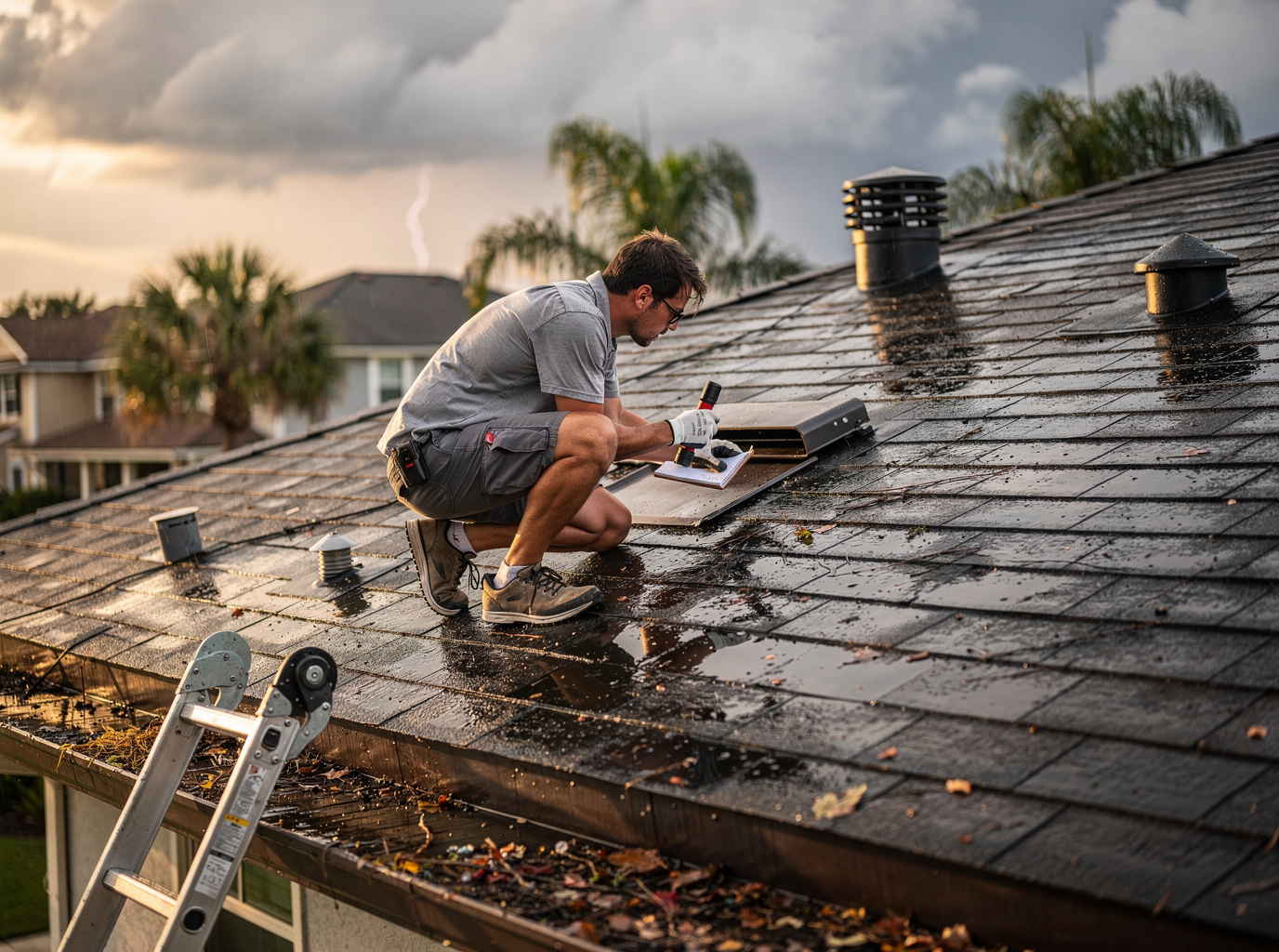
After heavy summer storms in Jacksonville, start your roof leak inspection in the attic within 24-48 hours by looking for new water stains, drips, or damp insulation around penetrations such as vents and skylights. Duval County's frequent downpours combined with high humidity often push water through small openings that older homes in areas like Springfield and Avondale develop over time. Focus first on the north-facing slopes where wind-driven rain from the St. Johns River commonly concentrates moisture.
Checking the Attic for Hidden Moisture
Walk the attic space with a bright flashlight and examine every rafter bay for discoloration on plywood or felt underlayment. In Jacksonville's older housing stock near the Cummer Museum and Downtown Jacksonville, original sheathing can absorb water slowly and show stains only after repeated storms. Feel for soft spots in insulation and note any musty odors that signal trapped moisture from the humid subtropical summers. Pay special attention to areas above bathrooms and kitchens where plumbing vents create natural entry points. Document locations with photos so you can track whether spots grow after the next rainfall. Homes in Mandarin and Arlington often have cathedral ceilings that make attic access limited, requiring a closer look from below with a moisture meter if available.
Examining the Exterior Roof Surface
From the ground or a safe ladder position, scan the roof for missing or displaced shingles, especially on the south and west exposures that take the brunt of afternoon thunderstorms. Check flashing around chimneys, skylights, and valleys where metal meets shingle in homes throughout Riverside and San Marco. Look for granule loss in gutters that indicates shingle wear accelerated by the intense summer UV and rain cycles in Duval County. In neighborhoods close to Atlantic Beach and Neptune Beach, salt air adds extra stress on fasteners and sealants. Note any sagging along the ridge line, which can point to decking issues beneath. Avoid walking the roof yourself if the surface feels slick from recent rain or algae growth common after humid periods.
Monitoring Interior Ceilings and Walls
Inside the home, inspect ceilings in upstairs rooms for new brown rings or bubbling paint, particularly along the edges where the roof meets exterior walls in two-story structures common in Avondale. Run your hand along drywall seams near windows facing the St. Johns River to detect cool or damp spots that appear after storms. In Springfield homes with plaster ceilings, small cracks can widen quickly when water infiltrates. Check baseboards on upper floors for swelling or discoloration that signals water traveling down from the roof deck. These interior signs often show up days after the exterior damage occurs because Jacksonville's mild winter temperatures allow moisture to linger rather than freeze and expand.
Knowing When Professional Assessment Is Needed
If you find active drips, widespread staining, or suspect damage in multiple locations, contact a local roofer for a thorough evaluation rather than attempting temporary fixes that may fail during the next storm. Roof leak repair addresses isolated issues before they require full replacement. Consider scheduling a pre-storm roof inspection in Duval County ahead of hurricane season to catch vulnerabilities early. A professional can also evaluate whether roof inspection reveals decking rot common in older Jacksonville neighborhoods after years of summer moisture exposure. Track any new leaks with dates and photos to help prioritize repairs based on severity and location.